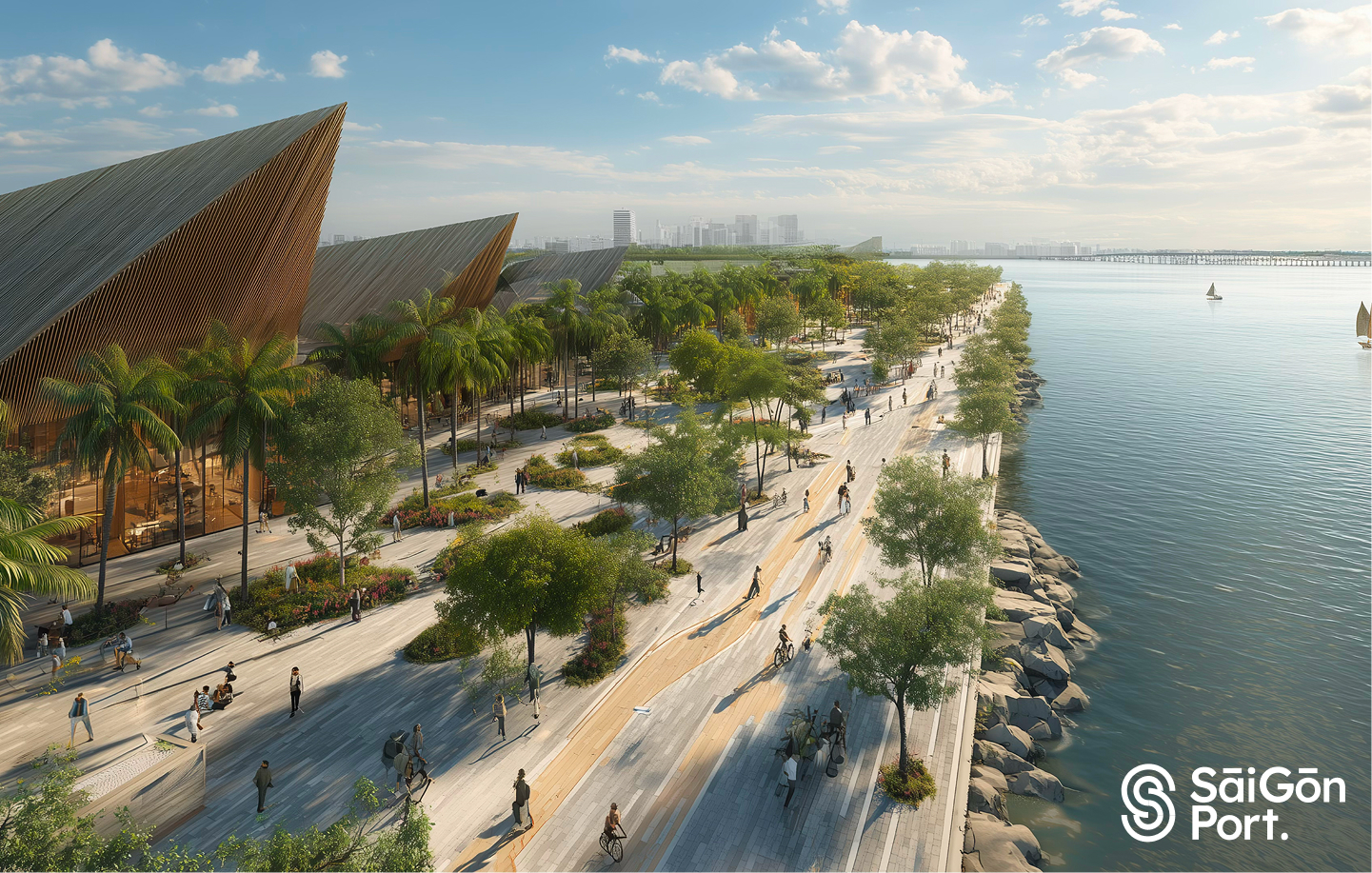
Saigon Port: Reimagining Vietnam’s Historic Waterfront
What Would You Do With the Port That Built a City?
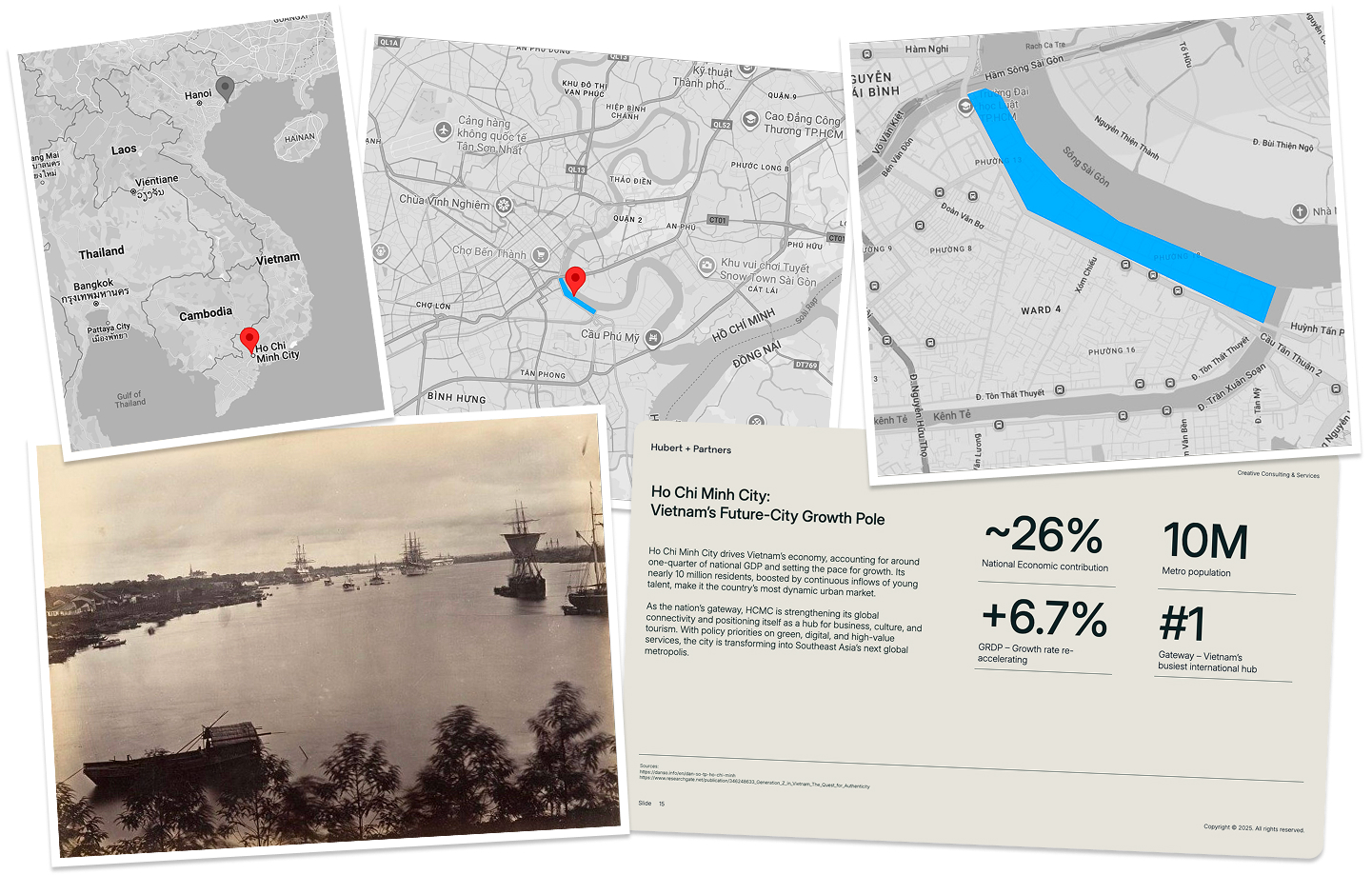
There’s a stretch of land along the Saigon River in District 4 that most people drive past without thinking twice. It’s gated, semi-industrial, a little forgotten. But if you know what you’re looking at, it stops you cold.
This is Saigon Port. Founded in 1860. For over a century, the busiest trading hub in Southern Vietnam. The place where the city connected to the world.
Today the heavy cargo has moved on to deep-sea terminals further south, and the port sits largely dormant — a vast, river-facing site in the geographic heart of one of Southeast Asia’s most dynamic cities. A rare blank page in a city that has almost none left.
When we were invited to pitch a concept for its future, we didn’t start with architecture or zoning. We started with a question: what does a city like Ho Chi Minh City actually need right now, and does this place have the bones to provide it?
The Site. The Opportunity. The Weight of History.
Saigon Port was founded in 1860. For over a century, it was the economic heartbeat of Southern Vietnam, the point where the country connected to global trade, where goods and ideas passed through, where the city itself was shaped. Then, as deep-sea cargo terminals took over, the port fell quiet.
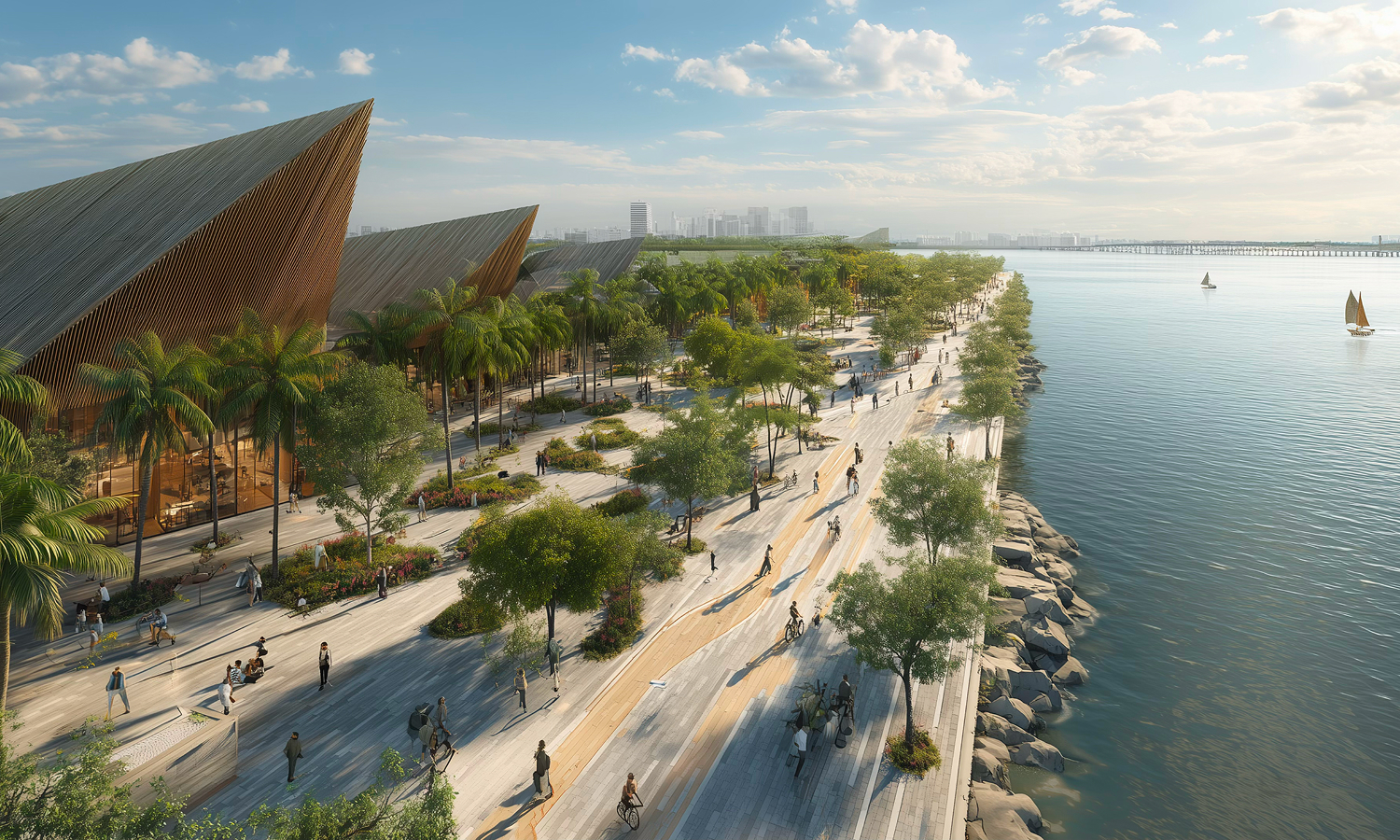
What remained was something rare: a vast, historic waterfront in the very center of Ho Chi Minh City, with direct river access, proximity to Districts 1 and 7, and a skyline view that most cities would build an entire tourism strategy around.
The question wasn’t what is this place? The question was what could it become?
Designing for Everyone, Every Day
Before we designed anything, we looked at who this city actually is.
Ho Chi Minh City is home to nearly 10 million people, contributes around a quarter of Vietnam’s national GDP, and sits at the center of one of the fastest-growing economies in Southeast Asia. Rising incomes here aren’t going into savings the way they used to; they’re going into dining, leisure, culture, and experiences. Tourism is accelerating this further: 20 million international arrivals expected in 2025, with HCMC capturing roughly 30% of them, and luxury tourism growing at 22% year on year. The demand is real, broad, and already here. What’s missing isn’t spending power or foot traffic. It’s a place worthy of all of it.
So we asked a simple question: who actually comes to a site like this on a random Wednesday, not just opening weekend? Young professionals wanting somewhere to decompress after work. Families looking for a Sunday that isn’t a mall food court. Students who want a creative space that doesn’t cost money to enter. International visitors wanting something that feels genuinely Vietnamese. The concept had to hold all of these people at once — and make each of them feel like the place was made for them.
Four Zones, One Identity
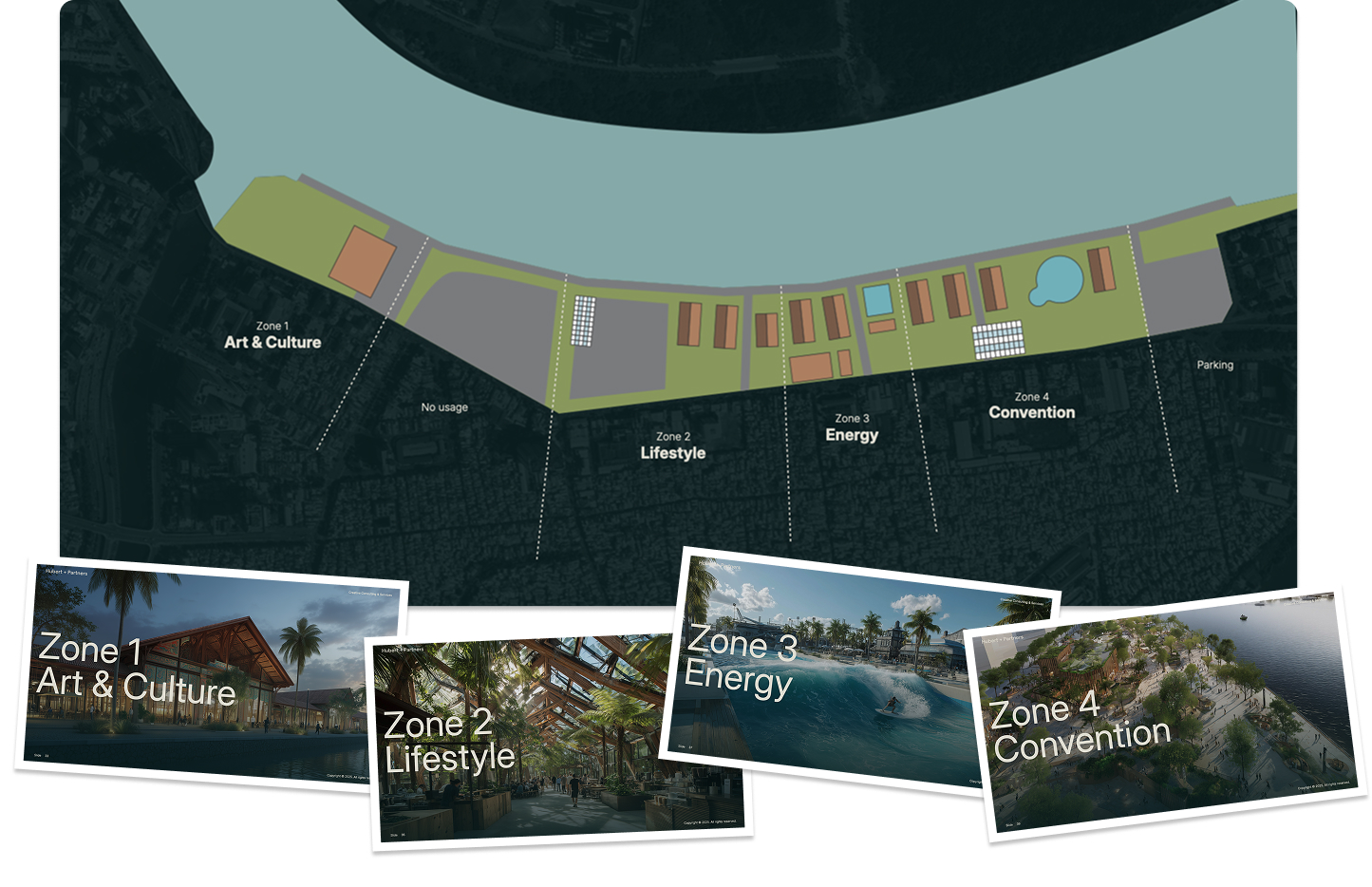
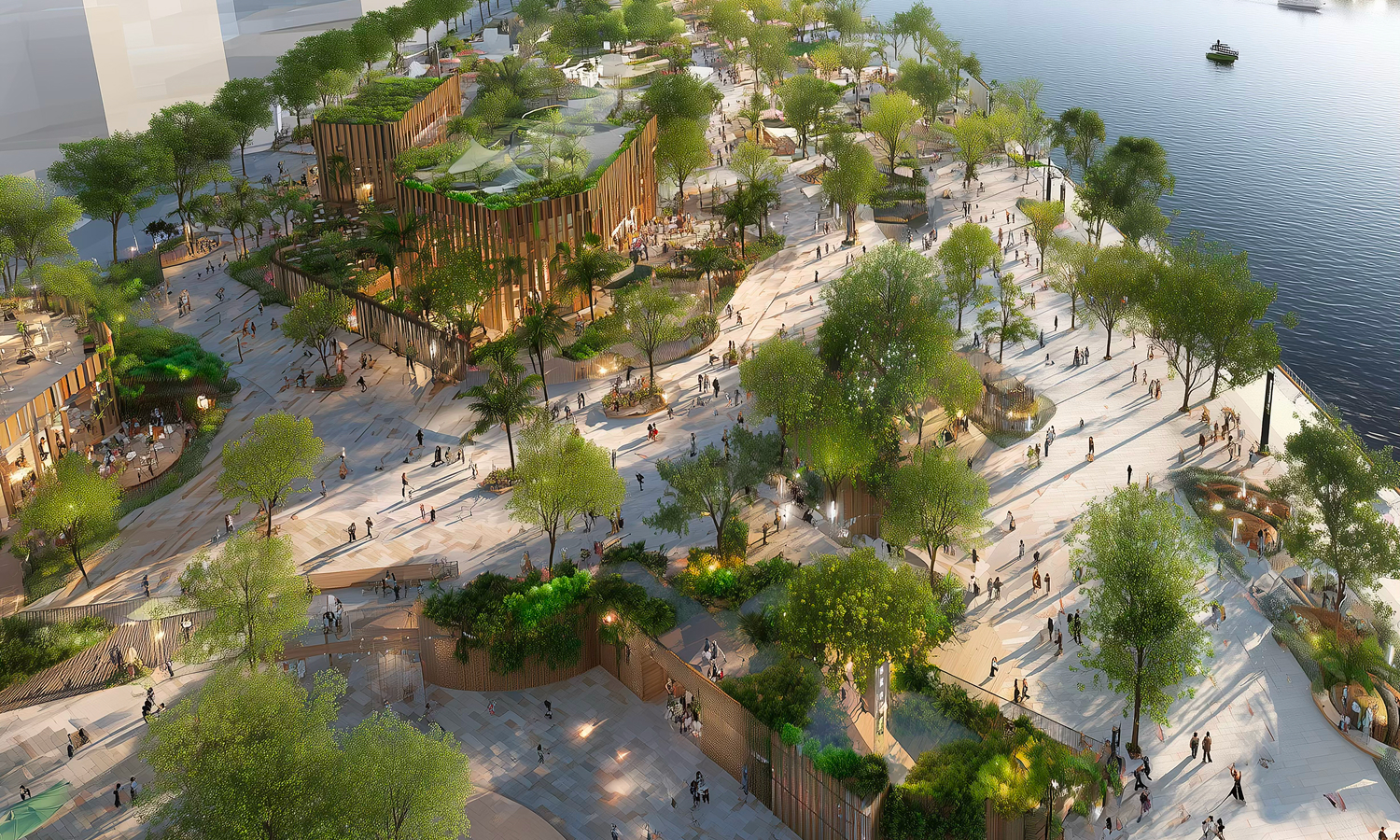
We designed the concept around a simple organizing principle: Saigon Port should function as Vietnam’s cultural waterfront — a place that is alive every day of the week, for every kind of person, at every stage of life.
To make that real, we proposed dividing the site into four distinct but connected zones, each with a clear role and character.
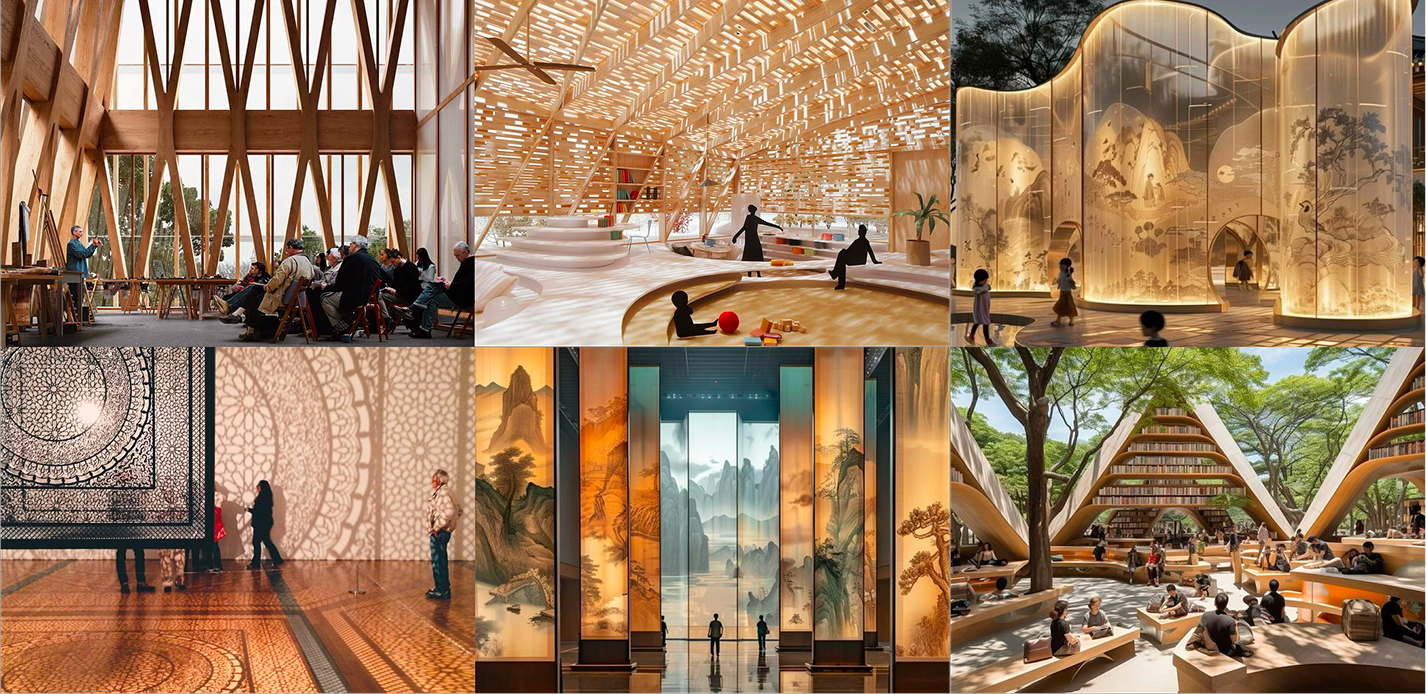
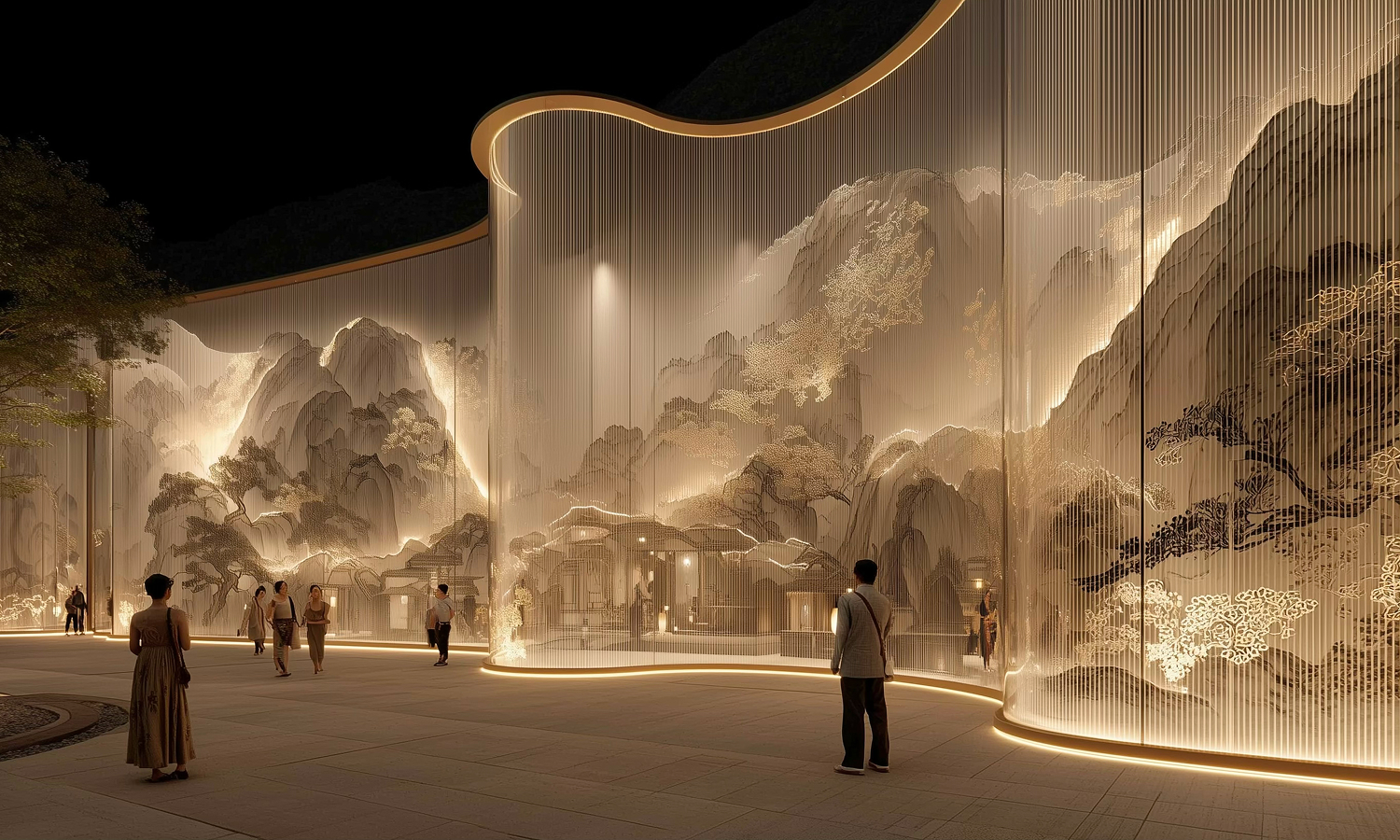
Zone 1 — Art & Culture is the cultural anchor. Restored heritage warehouses become galleries, museums, and artisan spaces. Open-air plazas host performances and cultural markets. This is where the port’s history doesn’t just get preserved — it gets activated.
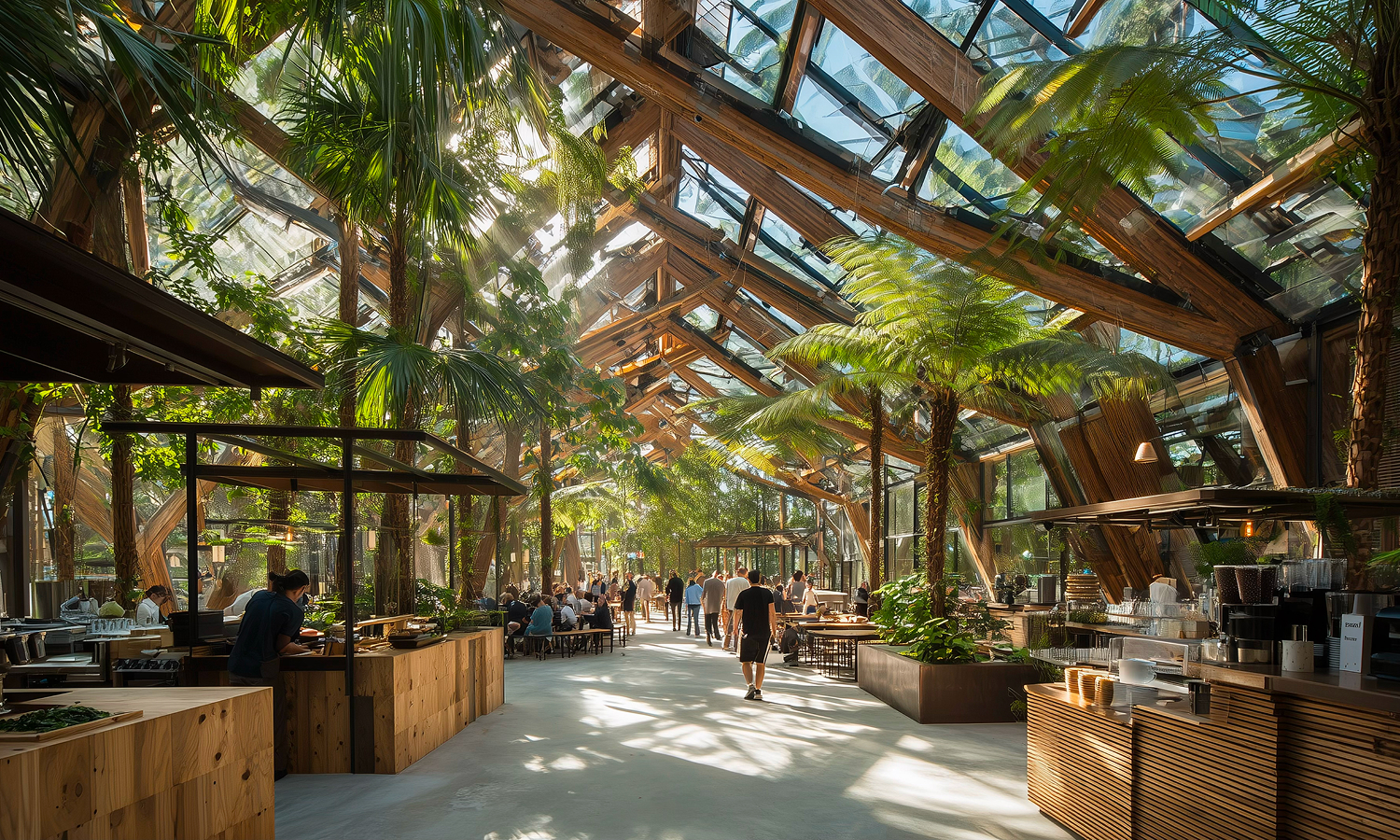
Zone 2 — Lifestyle is what keeps people coming back weekly. Riverside cafés, a night market, boutique shopping streets, social terraces. This is the city’s living room — the zone that turns Saigon Port from a destination into a habit.
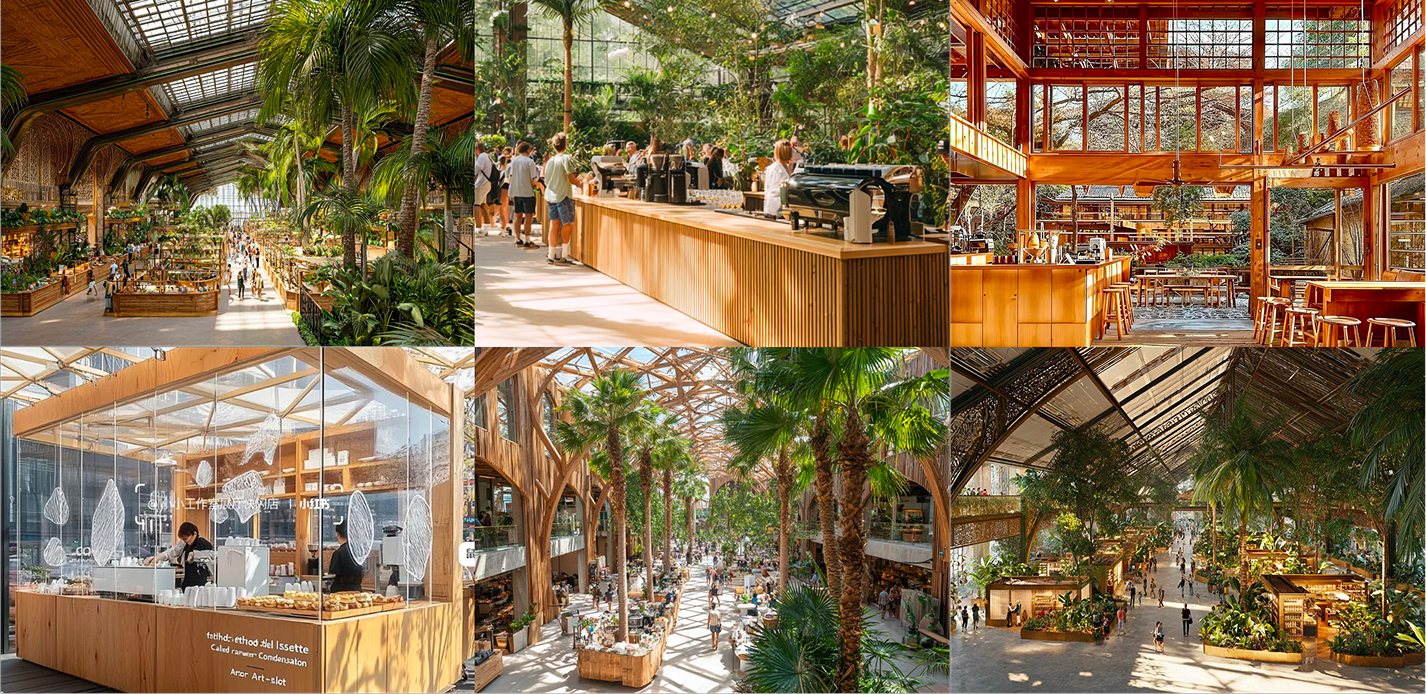
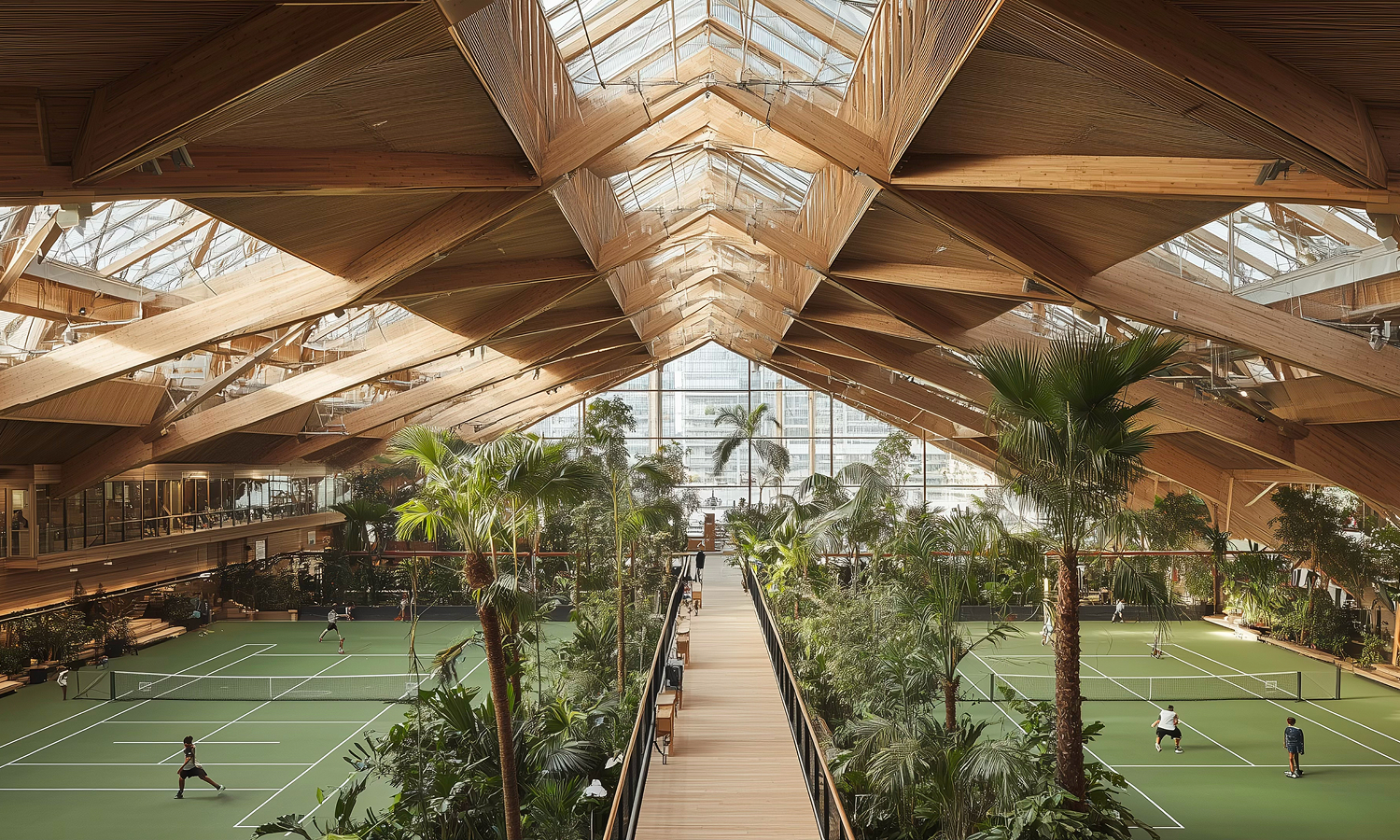
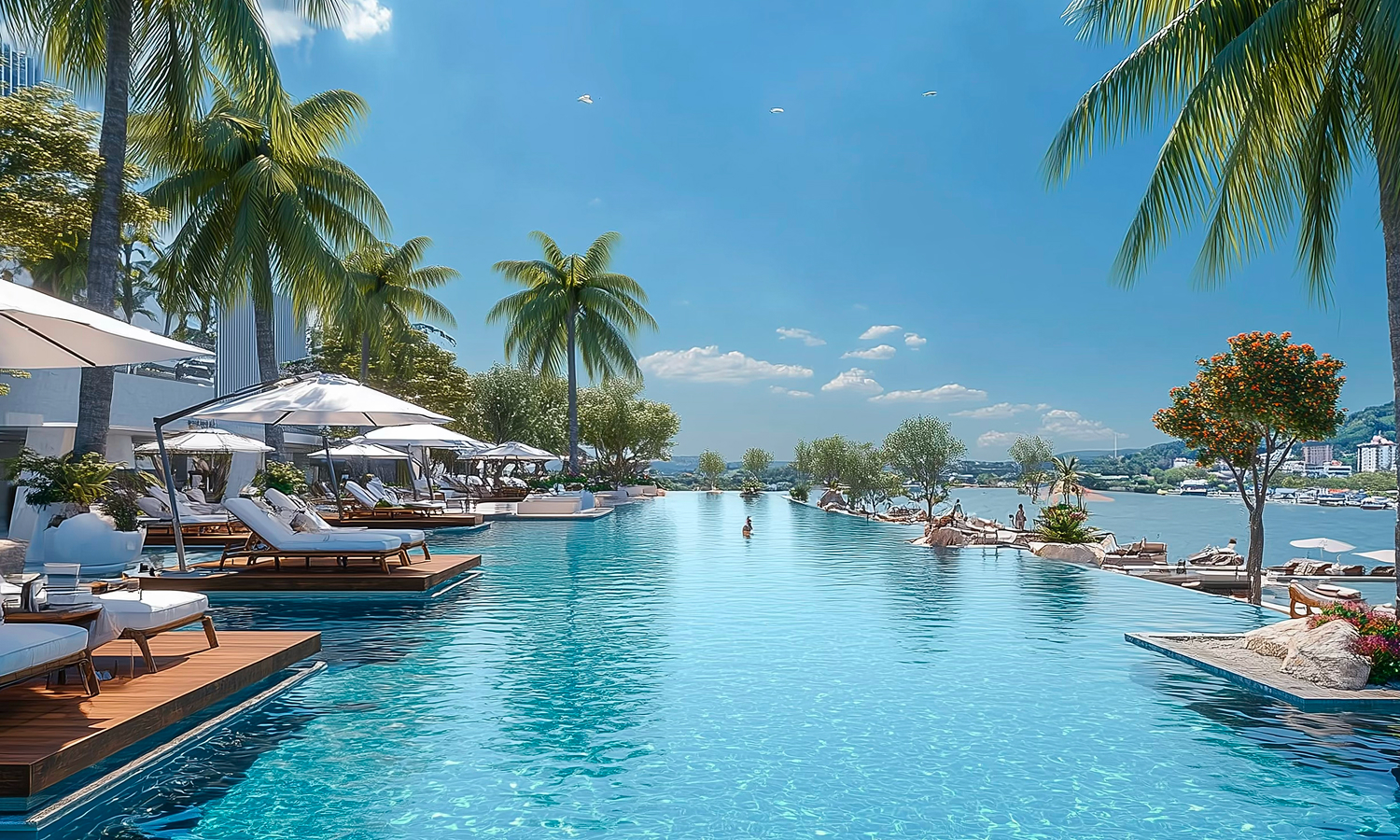
Zone 3 — Energy is for movement, wellness, and families. Sports courts, kids’ learning centers, cycling paths, spa facilities. The zone that ensures the project is genuinely inclusive — not just for young professionals on a Friday night, but for families on a Sunday morning.
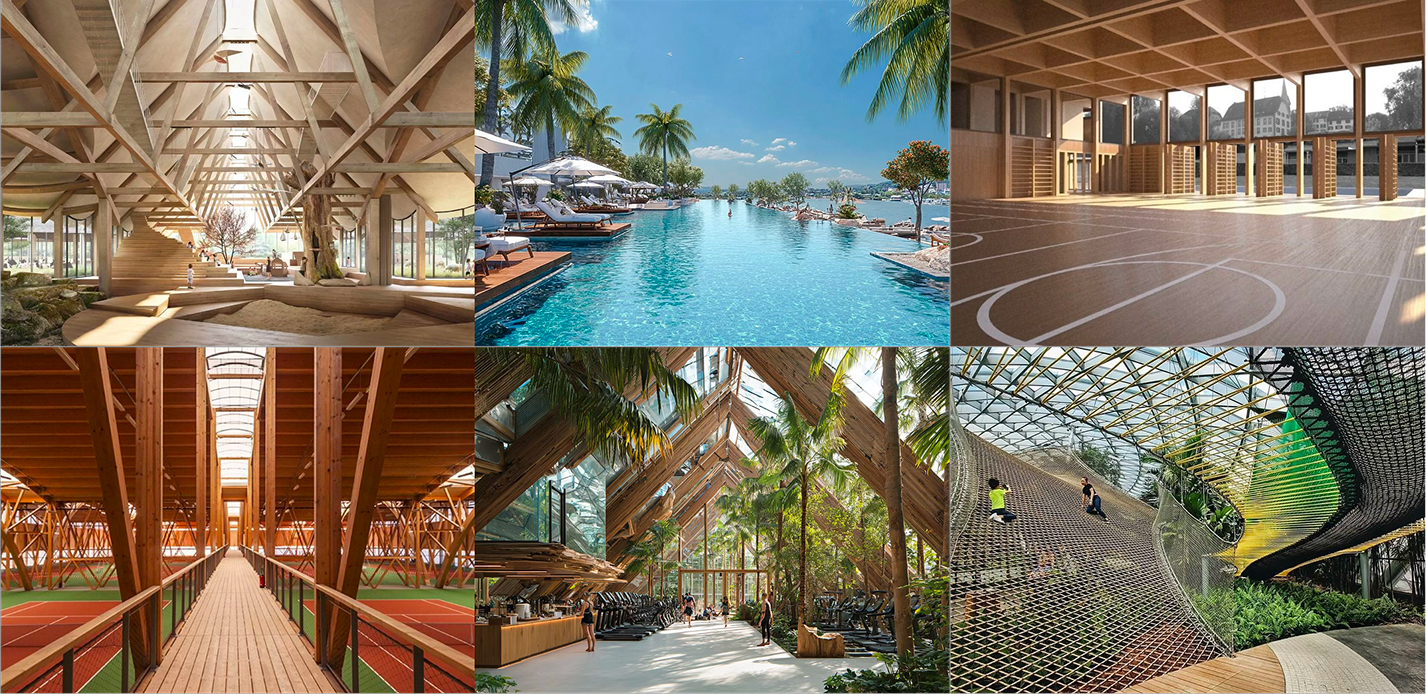
Zone 4 — Convention elevates the project internationally. A modern convention center, boutique hotels, co-working spaces, and premium dining position Saigon Port as Vietnam’s premier business event destination, connecting the local to the global.
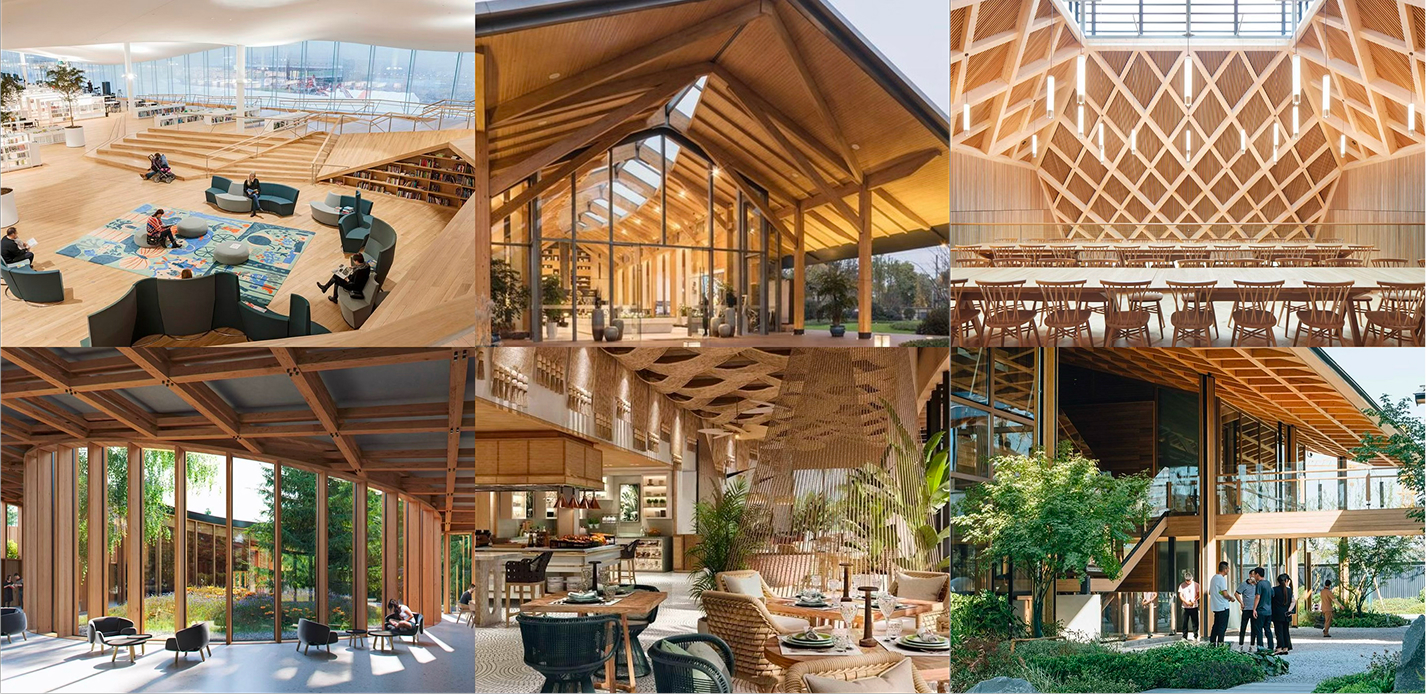
Building the Identity: SāiGōn Port.
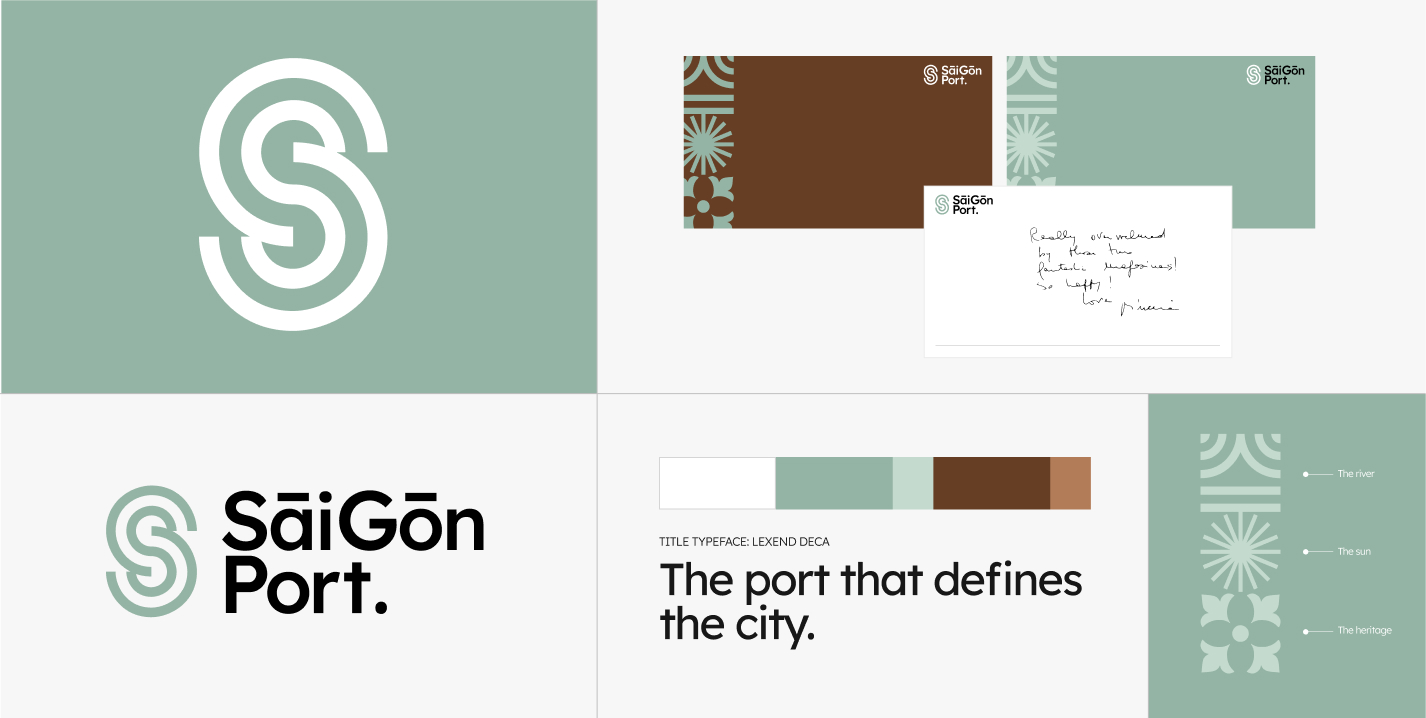
Alongside the spatial concept, we developed the brand. The name itself carries the work, SāiGōn Port written with macrons over the vowels, a subtle nod to Vietnamese diacritics and the tonal nature of the language. Modern, international, yet unmistakably rooted.
The six identity pillars we defined: Heritage & Authenticity, Modern Vietnam, Sustainability & Green Living, Culture & Creativity, Lifestyle & Everyday Belonging, and Global Connection. They weren’t just brand language. They were design filters. Every zone, every programming decision, every architectural brief had to pass through all six.
The vision we landed on: Play. Live. Create. Connect.
History as a Starting Point, Not a Museum Piece
Underneath all of it, the project was really about one thing: giving Ho Chi Minh City a place that reflects who it actually is right now.
Not the version of Vietnam that exists in a tourist brochure. Not a glass tower development that could be dropped into any city in Asia. Something that carries the weight of 1860 and the energy of 2025 in the same breath. Bamboo and steel. Heritage and innovation. A place where you can eat bánh mì from a street stall twenty meters from an international conference.
Our Process, In Short
Every project at Hubert + Partners follows the same underlying logic, regardless of scale:
Research and context first, we don’t present creative until we understand the city, the consumer, and the competitive landscape. Concept before form, the zones, the identity, the programming logic came before any visual. Global thinking, local soul; we use international benchmarks to stress-test ideas, but the solution always has to feel of its place. And finally: a complete story, from executive summary to visual impressions, every element of the pitch has to earn its place and connect to the whole.
The project didn’t move into production. That happens, large-scale urban development in Vietnam involves timelines and stakeholder dynamics that are beyond any consultant’s control.
But we’re writing about it now because the work was real. The thinking was complete. And the site is still there, still waiting.
Saigon Port is one of those rare opportunities that a city only gets once. Whatever eventually happens there, we hope it’s treated with the seriousness it deserves, as a question about what kind of city Ho Chi Minh City wants to be, not just a question about square meters and rental yields.
We know what our answer was.